Description
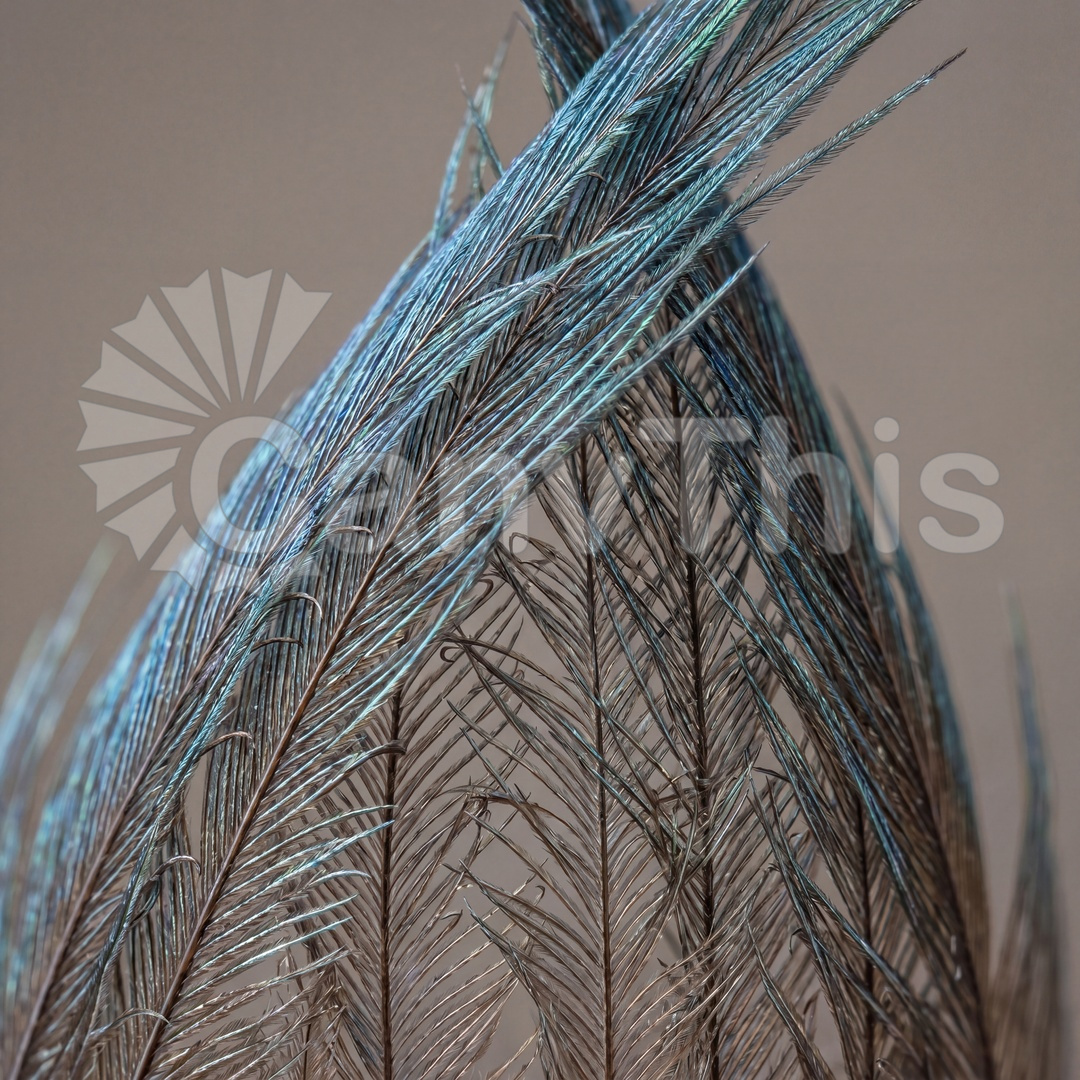
Bird feather vane structure is maintained by a micro-velcro-like hook-and-groove system between adjacent barbules — the hamuli (small hooks at the distal barbule ends) engage the groove on the neighbouring barbule’s proximal end, creating a continuous aerodynamic surface that can be re-zipped if disrupted by contact. At 5:1 macro reproduction, this interlocking mechanism is fully visible: the hamuli appear as small curved hooks at the tip of each distally-pointing barbule branch, and the groove structure of the neighbouring barbule is visible as a slight thickening of the proximal region where the hamuli catch. The image captures both a region of intact interlocking — the clean, continuous vane surface showing as a flat, even array of interlocked barbules — and a region where the interlocking has been disrupted, showing the separated barbules as a loose fringe. The difference in light transmission between the interlocked (opaque) and disrupted (loose fringe, partially transparent) regions communicates the functional importance of the interlocking.