Description
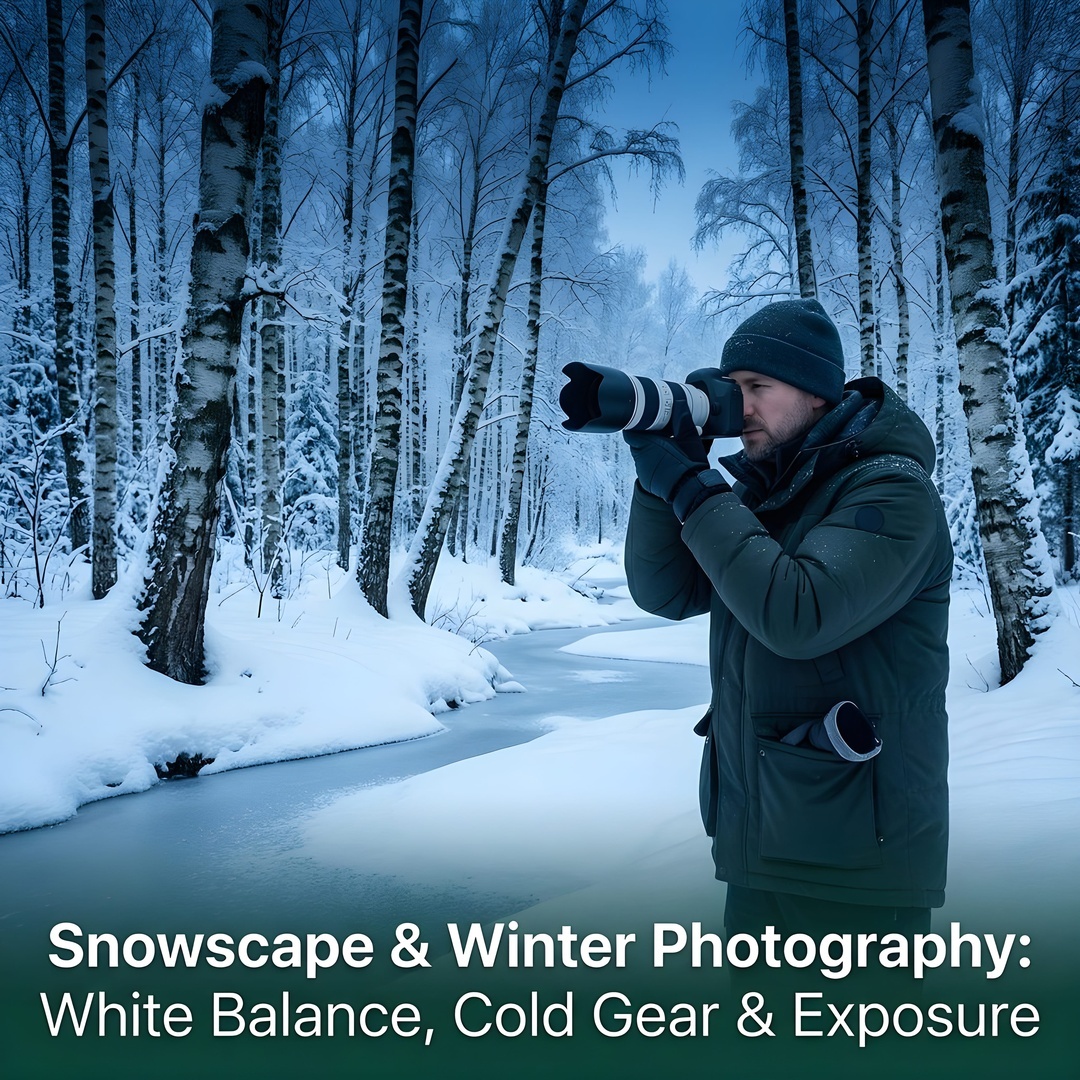
Winter photography rewards those equipped with both the technical understanding to solve its distinctive exposure challenges and the practical preparation to manage cold weather equipment requirements — and this guide addresses both with equal rigour. Snow scene exposure is the foundational challenge: the camera’s metering system interprets large snow-covered areas as overexposed and reduces exposure to render them as 18% grey, resulting in consistently underexposed snow images. The guide explains the exposure compensation additions (typically +1 to +2 stops) required for different snow scene compositions and lighting conditions, the Expose to the Right approach for raw file snow detail preservation, and the spot and centre-weighted metering alternatives for difficult mixed-exposure winter scenes. Cold weather camera management covers battery performance reduction at low temperatures and the battery management strategies — using lithium cells rated for low-temperature operation, keeping spare batteries warm close to the body — that prevent session-ending power failure. White balance accuracy for snow covers the cool blue cast that accurate Auto White Balance renders in open-shade snow and the decision between accurate rendering and the warmer, more aesthetically familiar snow tone. Winter compositional opportunities — tracks in snow, frost patterns, bare branch silhouettes, and frozen water surfaces — are each addressed with compositional guidance.