Description
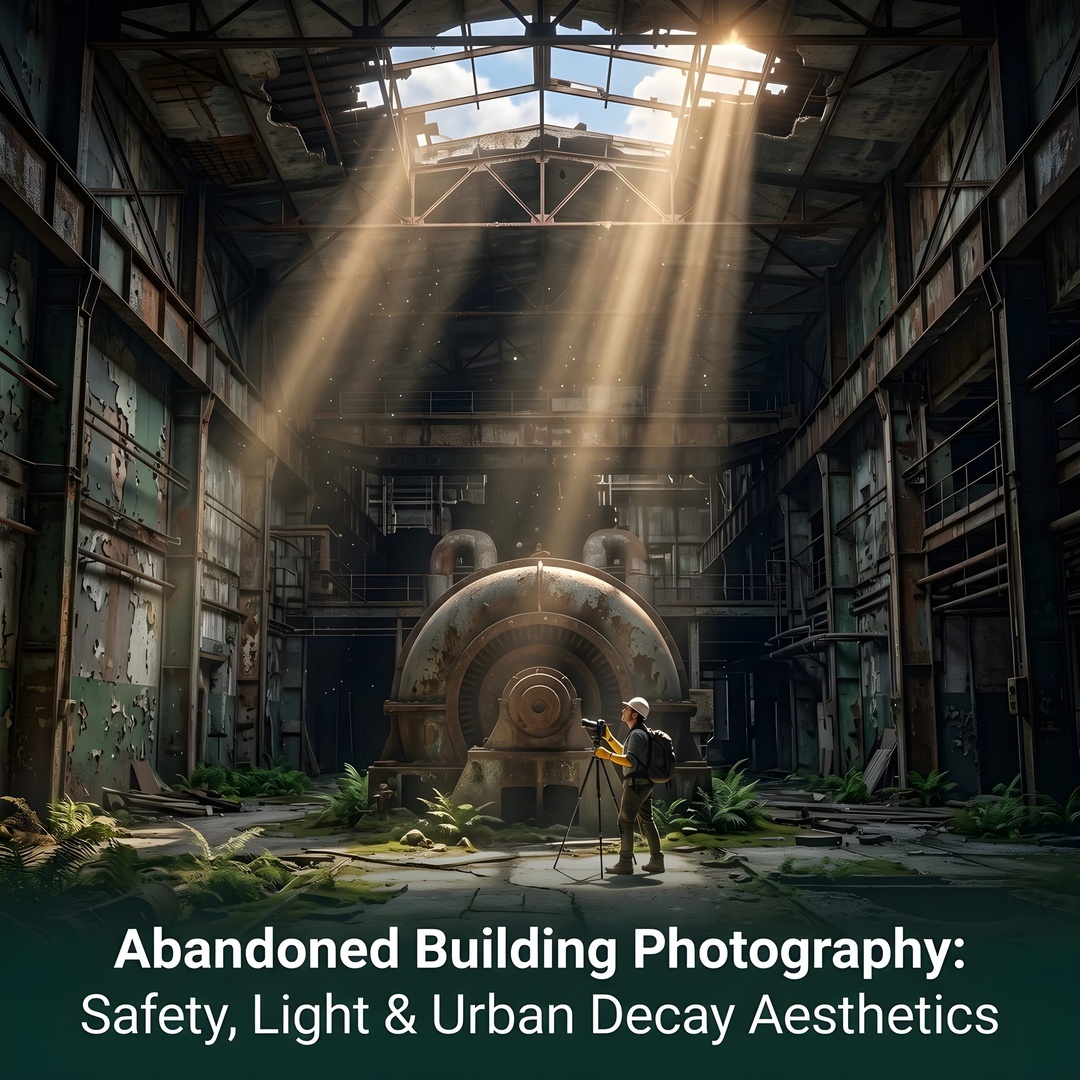
Abandoned building photography — known colloquially as urbex — offers access to one of the most visually extraordinary photographic environments available to the adventurous photographer, but it demands a safety-first discipline that this guide places at the absolute forefront of its methodology. Structural safety assessment covers the visual indicators of imminent collapse risk in different structural materials — the specific signs of rotting floor joists, weakened concrete columns, and compromised roof structures — and the conservative abandon-versus-enter decision framework that prioritises physical safety over photographic opportunity. Legal considerations are addressed honestly: the trespass implications of entering derelict private property vary by jurisdiction, and the guide provides a framework for understanding the legal exposure in different national legal systems and the risk management approach that experienced urbex photographers apply. Interior natural light technique covers the use of window light sources as directional key light in abandoned interiors, the long exposure approach required for very dark industrial spaces, and the HDR blending technique for managing the extreme dynamic range of interiors with intact windows. The texture and decay aesthetic is addressed as a compositional vocabulary: peeling paint, rusted metal, broken glass, and encroaching vegetation as visual elements in frame construction.