Description
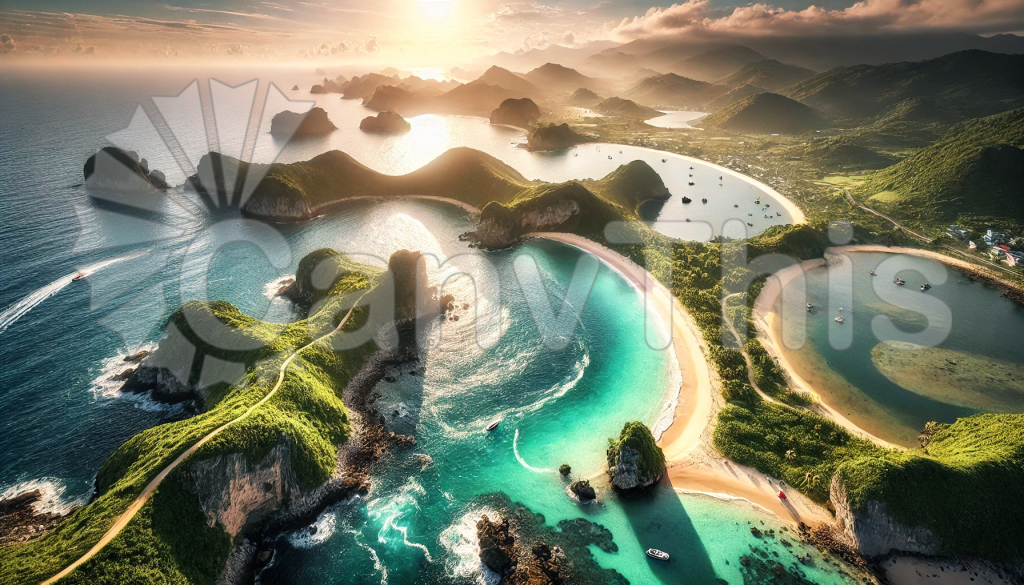
Fernandina Island in the Galapagos is one of the most volcanically active islands on earth — eruptions have occurred multiple times in the past decade — and the aerial perspective reveals what ground observation cannot: the overlapping relationships between multiple lava flows of different ages, their relative ages readable from the vegetation succession on each flow surface. This photograph was made at 600 metres from a permitted light aircraft flight over the caldera, capturing the complete caldera floor geology. The most recent flows are the darkest, their basalt surfaces still largely unvegetated. Older flows show progressive colonisation by pioneer plants — first the bright green of fern and sedge, then the darker green of shrub growth. The caldera lake at the centre reflects the pale sky. The concentric collapse rings of the caldera walls provide a geological section through the island’s eruptive history.