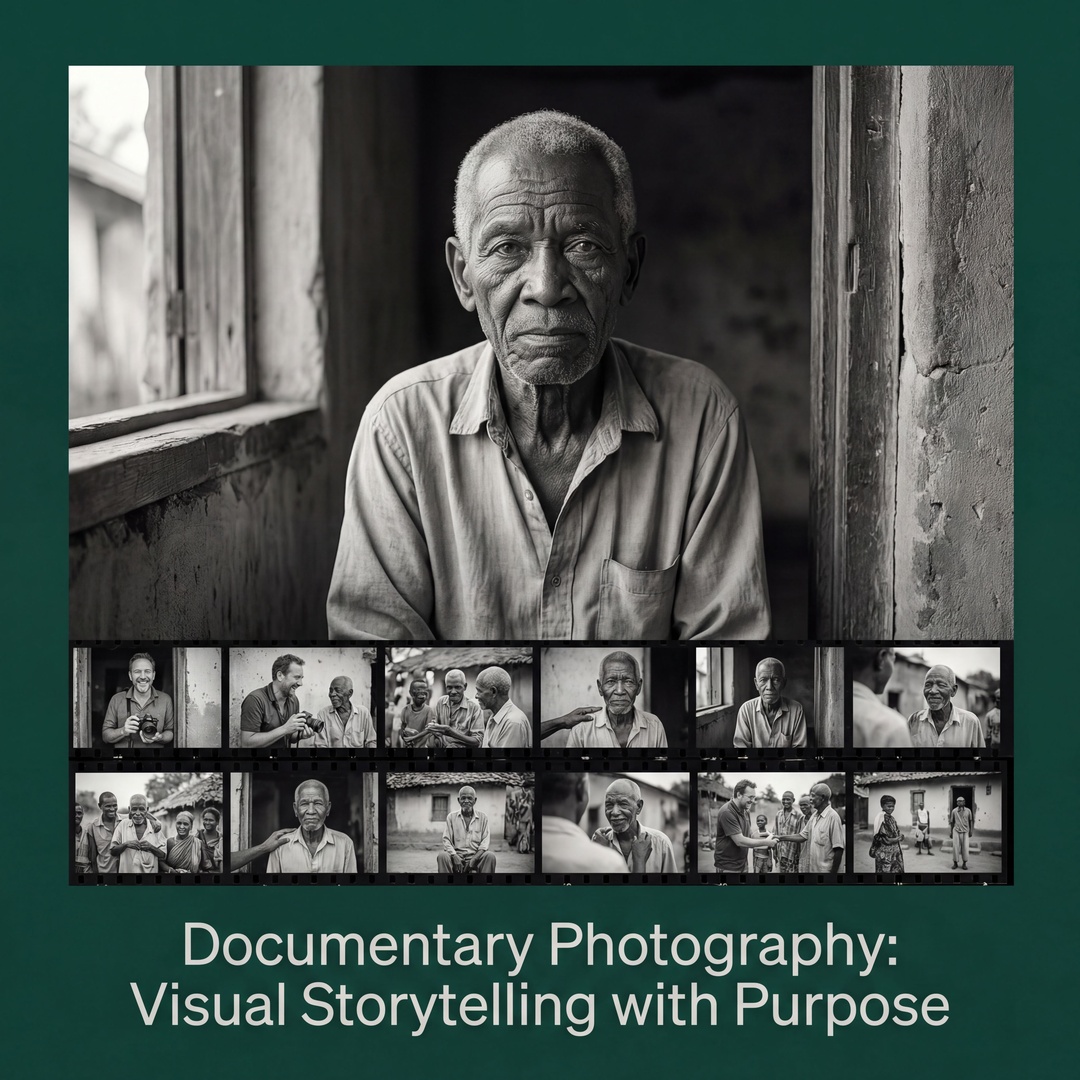
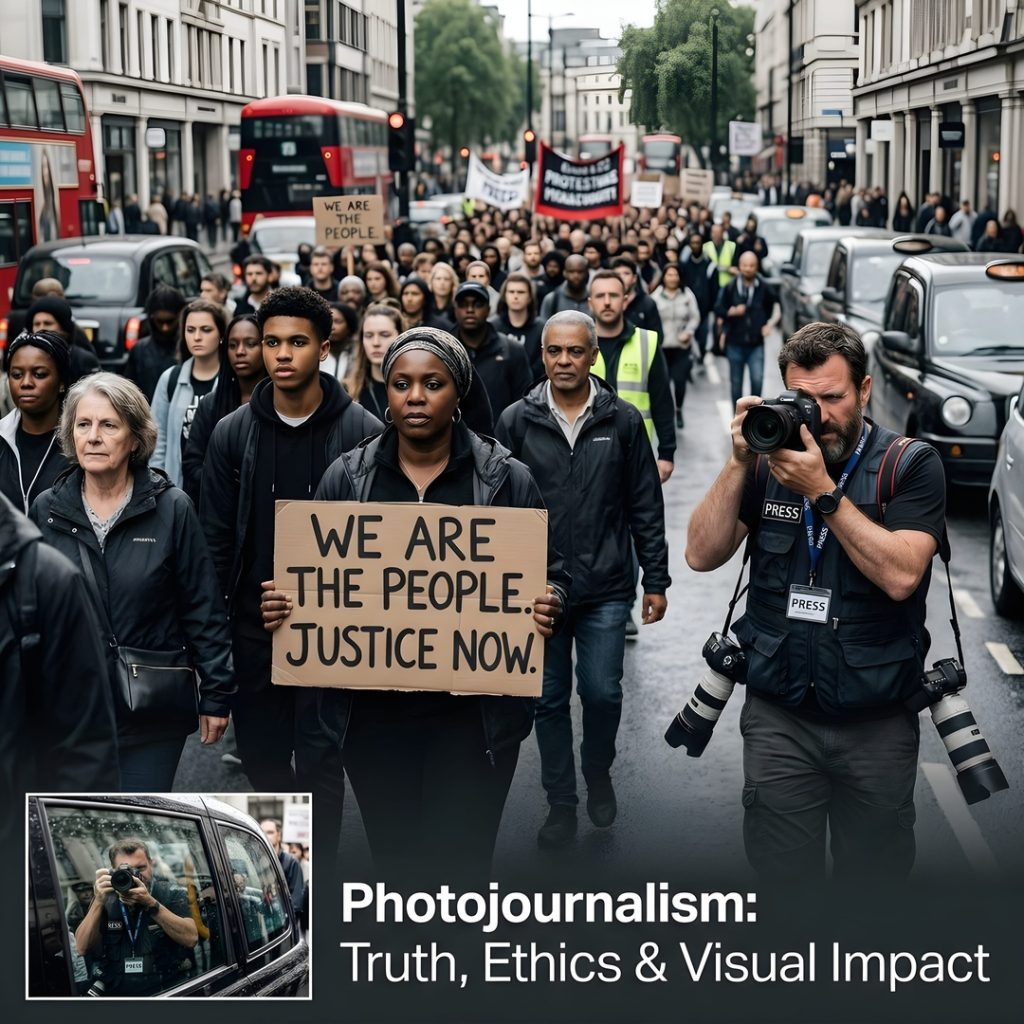
Description
Documentary photography at its most powerful produces visual evidence that changes public understanding and drives accountability, and this guide treats the form with the rigour that aspiration demands. Project development methodology covers the research phase that precedes any camera deployment: subject identification, community gatekeeping navigation, preliminary relationship building,
and the construction of a visual brief that functions as a navigating document throughout a multi-month project. Ethical frameworks for documentary work are addressed in depth: informed consent across different contexts, the responsibilities of working with vulnerable populations, the difference between dignity and exploitation in difficult subject matter, and the photographer’s obligations to subjects after publication. The visual language section examines the building blocks of effective documentary sequences: establishing context through wide shots, intimacy through close work, the decisive moment in unscripted environments, and sequencing logic for gallery and publication formats. Funding approaches for long-form projects — grant applications, editorial commissioning, and crowdfunding — complete the guide.